

Patient guide
Everything a hospital should tell you and usually does not.
What to bring, what happens when you are admitted, what you are entitled to, when you can visit, and how to raise a concern if something goes wrong.

Before your appointment
- A valid means of identification
- Your HMO card and enrolee number if you have cover, plus your plan name
- Every previous result, scan, film and discharge summary you hold, even old ones
- A written list of every medication you take, including anything bought over the counter, and anything herbal or traditional
- Your child's immunisation card for any paediatric visit
- Your antenatal card if you are pregnant and booked elsewhere previously
- Your glasses, hearing aid or mobility aid if you use one
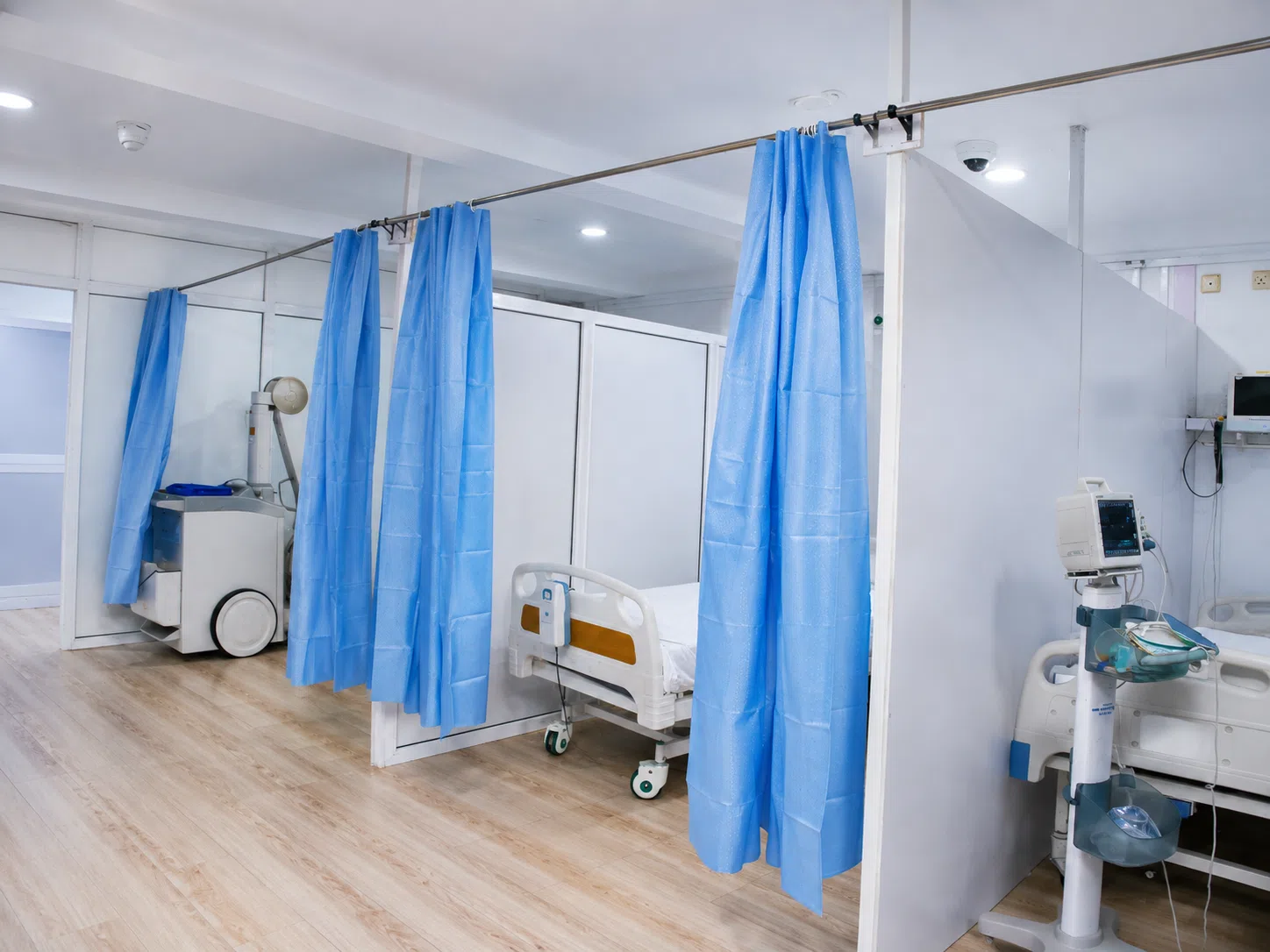
Being admitted
- Admission is arranged by the treating doctor, who will explain why and for roughly how long
- Bring nightwear, toiletries, slippers and a change of clothes
- Leave valuables at home. The hospital cannot take responsibility for personal items
- Where your care is under an HMO, pre authorisation is raised at the point of admission
- One relative may usually stay with a paediatric patient. Ask the ward sister about your specific case
Going home
- You receive a written discharge summary setting out the diagnosis, what was done and what happens next
- Medications are dispensed by our pharmacy with counselling on how to take them
- You will be given a review date, and a clear list of the warning signs that mean come back sooner
- Ask for a copy of any result or report you want to keep. It is your record
Your rights as a patient
These are not courtesies we extend. They are entitlements, and you should expect them of any hospital, including this one.
- To be treated with dignity and respect regardless of who you are
- To have your condition, the options and the risks explained in language you understand
- To consent to or refuse any treatment, and to be told what refusing would mean
- To confidentiality of your medical record
- To ask for a second opinion
- To see and request a copy of your own records
- To an itemised bill and an explanation of any charge
- To complain without it affecting the care you receive
Visiting
Visiting hours and ward etiquette
- General wards
- 10:00am to 12:00pm and 4:00pm to 7:00pm, daily
- Visitors at the bedside
- One at a time on the general ward. Private rooms are more flexible, so ask the ward sister.
- Children
- Children under 15 are not permitted on the wards
- Staying overnight
- One relative of the patient may stay
- Maternity
- 4:00pm to 7:00pm daily. The partner may visit outside these hours.
- Before you come in
- Ask the nurse before bringing food, and wash your hands going in and coming out
Alongside the hours, the general principles hold: keep numbers low, keep visits short if the patient is unwell, ask the nurse before bringing food onto a ward, and wash your hands going in and coming out. Intensive care visiting at the Yaba unit is more restricted and is set out separately.
Feedback
If something goes wrong, tell us
Complaints are how a hospital finds the problems its own staff have stopped noticing. Raise it with the ward sister or the front desk first, because most things are resolved on the spot. If it is not resolved, put it in writing to the management and you will receive a response.
Making a complaint will not affect the care you or your family receive. That is a commitment, not a hope.
Next step
Speak to someone now, or book a time that suits you
The front desk answers at every hour of the day. If it is urgent, call. If it can wait, the booking form takes about two minutes.