Skip to content
Medical CentreICU and Dialysis
SkyHigh Medical Centre
CallWhatsAppBook

Telemedicine

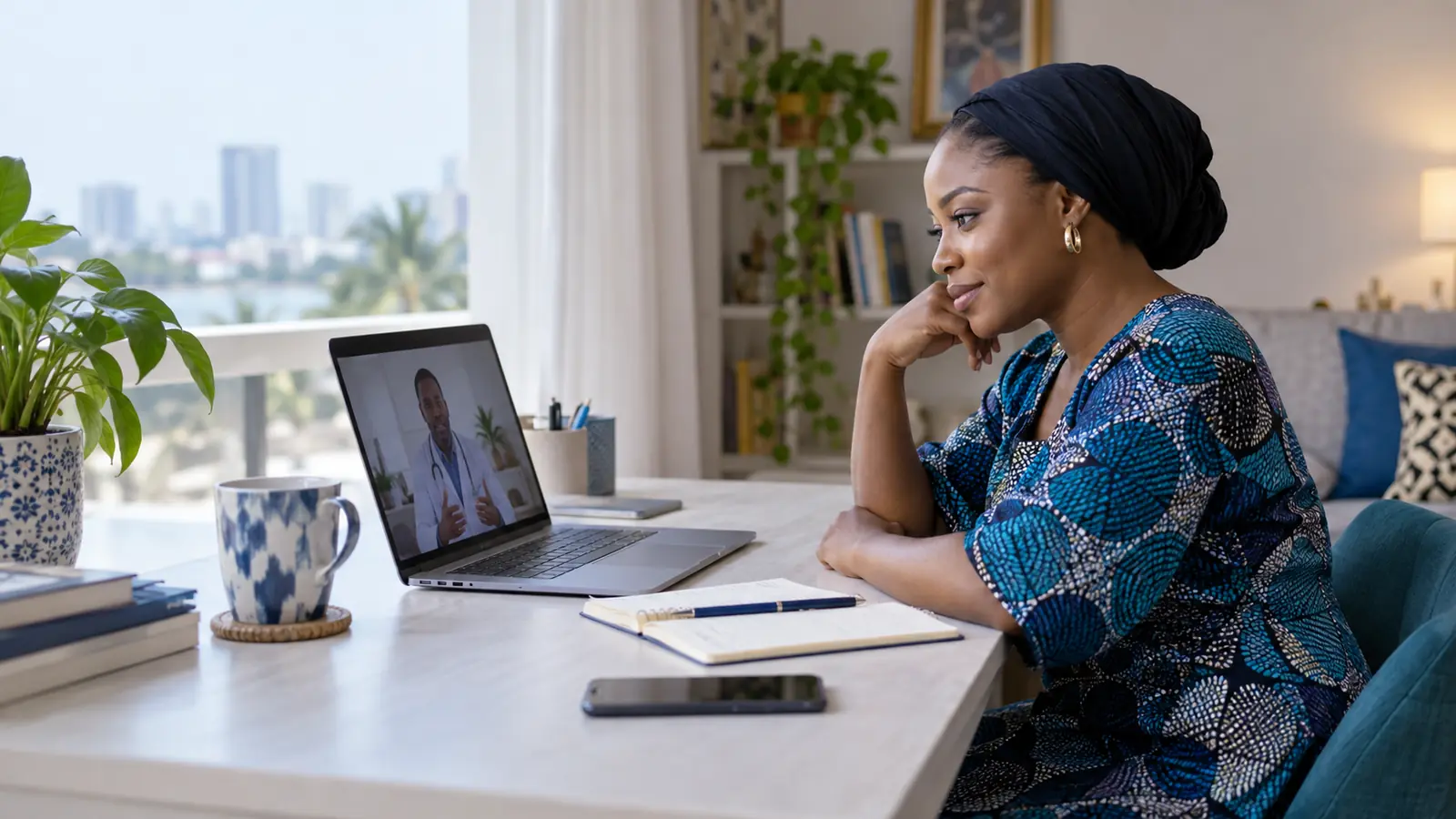
Consult a SkyHigh clinician by video or phone, for the situations where a consultation is genuinely all you need.

Telemedicine is a consultation with a SkyHigh clinician conducted by video call or, where the connection will not hold, by phone. It is not a lesser version of coming in. For a specific set of situations it is genuinely the better option, and for another set it is the wrong one, and we would rather be straightforward with you about which is which.

Lagos makes the case for it obvious. A follow up visit that takes ten minutes of clinical time can cost you three hours of the day once traffic and waiting are counted. If nothing about that visit required you to be physically present, those three hours bought you nothing.

What telemedicine is genuinely good for

The common thread below is that the clinician already has a picture of you, or the question can be answered by talking rather than examining.

  • Follow up after a consultation or a procedure, where the question is how you are progressing
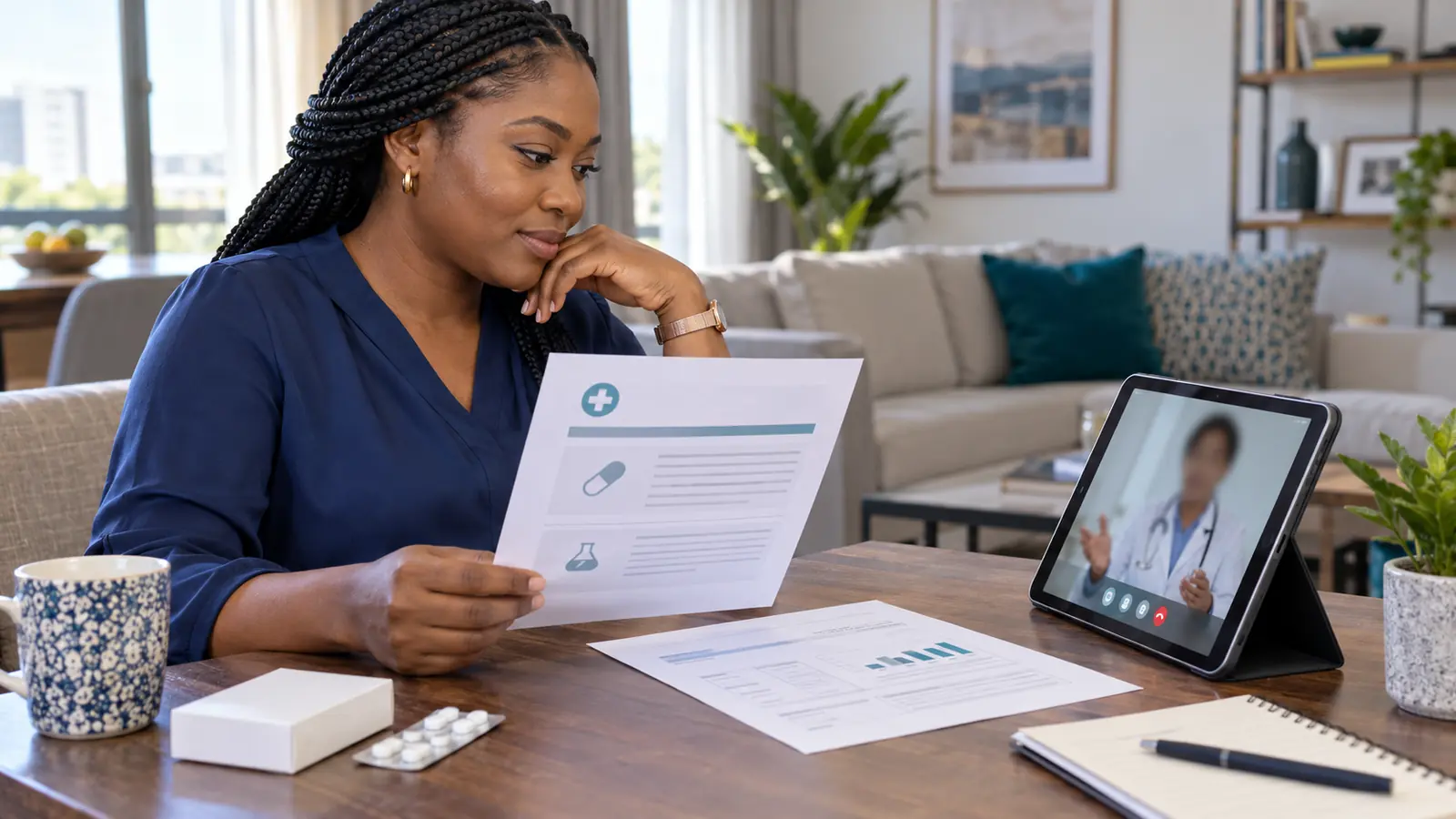
  • Going through results with the doctor who ordered them, rather than reading a report you cannot interpret
  • Repeat prescriptions and medication reviews for a stable long term condition
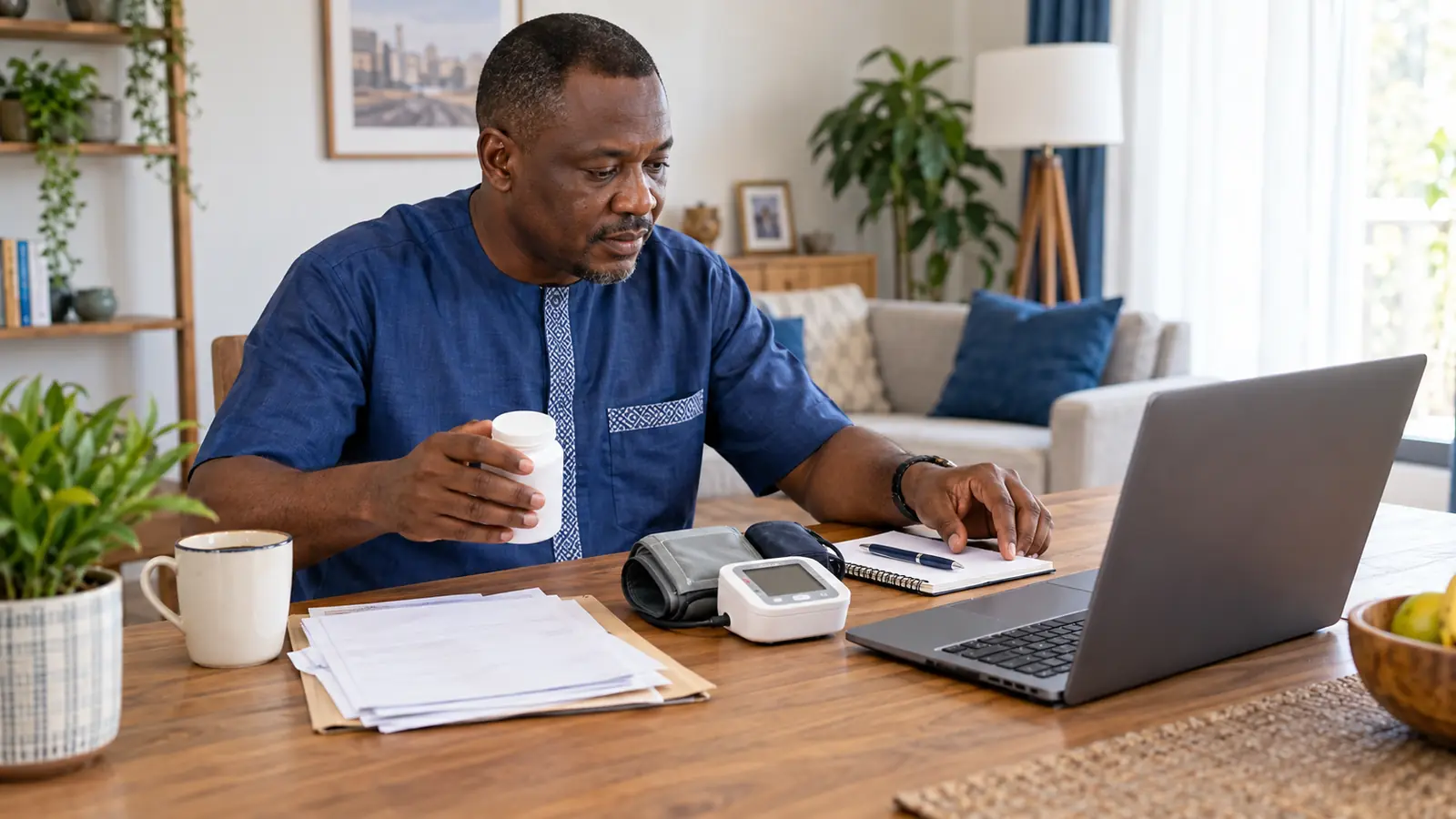
  • Ongoing management of hypertension or diabetes, where you have readings from home to discuss
  • A second opinion on a diagnosis or a plan given elsewhere, with your documents shared in advance
  • Deciding whether a symptom needs to be seen, and how urgently
  • Advice before travel, and questions about vaccination
  • Mental wellbeing conversations, where many people find a call easier than a waiting room
  • Speaking to us about a relative you are caring for at home

What it cannot do, and when we will tell you to come in

A camera cannot palpate an abdomen, listen to a chest, take a blood pressure, look inside an ear, or take blood. Any of those means a physical visit, and a clinician who pretends otherwise is doing you harm.

We will end a call early and ask you to come in where we judge that examination or testing is needed. That is not the consultation failing, it is the consultation working. Deciding that you need to be seen is itself a clinical judgement, and it is a great deal safer than guessing from a description.

  • Chest pain, breathlessness, or any symptom that could be a cardiac event
  • Severe or sudden abdominal pain
  • A baby under three months with a fever, and unwell children generally
  • Bleeding in pregnancy, or reduced fetal movements
  • A new lump, or a wound that needs looking at
  • Anything requiring blood tests, imaging, a scan or a procedure
  • A first presentation of something significant, where an examination sets the baseline

Diagnosis is where remote consultation is weakest

It is worth stating the underlying principle plainly, because it explains every rule above. Telemedicine is a good way to manage a condition that is already understood, and a poor way to work out what is wrong for the first time.

Diagnosis leans on examination far more than most patients realise. A great deal of what a clinician learns in the first two minutes of a consultation comes from looking at you, from how you move, your colour, your breathing, and from touching where it hurts. Removing that removes the evidence.

So if you are unwell and you do not yet know why, book a physical appointment. If you know what you have and you need to manage it, telemedicine will usually serve you better.

How a consultation works

Book through the website or by calling the front desk, in the same way as any appointment, choosing telemedicine as the type of visit. You are given a time slot rather than a queue position.

Send anything relevant in advance: previous results, discharge summaries, a photograph of a rash or a wound, your home blood pressure or glucose readings, and a list of every medication you are taking. A clinician who has read your documents before the call can do considerably more in fifteen minutes than one seeing them for the first time.

The consultation is conducted by a SkyHigh clinician, is recorded in the same medical record as your in person visits, and results in the same things: an explanation, a plan, a prescription where appropriate, and a review point.

Prescriptions, referrals and paperwork

Where a prescription is appropriate it can be issued after the consultation and dispensed at our pharmacy in Magodo, or taken elsewhere if that is more convenient. Certain medications cannot responsibly be prescribed without an examination, and controlled drugs are not prescribed remotely at all.

If you need tests, we will order them and you attend the laboratory at Magodo without needing a further consultation first. Results then come back into the same record, and the follow up discussion can itself be a call.

Referrals, sick notes and medical reports can be issued following a telemedicine consultation in the same way as after a physical one.

Connection, privacy and practicalities

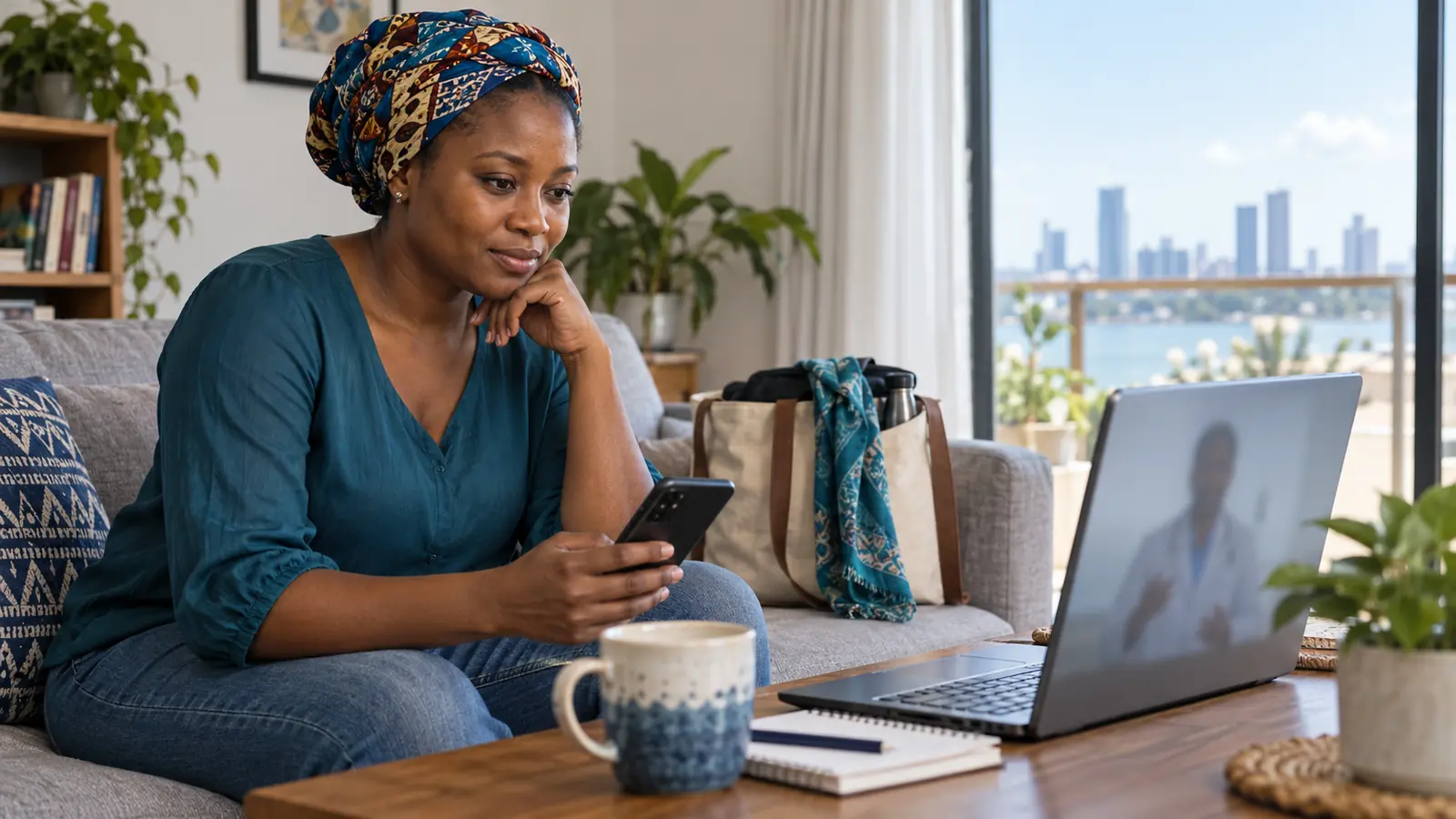
Video is preferred because a clinician can see you, and seeing you matters even when a formal examination is not possible. Where the connection will not sustain video, we switch to audio rather than persisting with a call that keeps dropping.

Take the call somewhere private and reasonably well lit, with the camera showing your face clearly. If the consultation concerns a visible problem, good light on that area helps more than anything else.

Your consultation is confidential and recorded in your medical record on the same basis as any other visit. We do not record video, and we would ask that you do not either without telling the clinician.

Conditions we treat

Long term condition reviews

Hypertension, diabetes, asthma and thyroid management

Results consultations

Going through laboratory and imaging results properly

Post operative follow up

Progress, wound questions and return to activity

Repeat prescriptions

With a medication review rather than an automatic reissue

Second opinions

On a diagnosis or plan given elsewhere

Triage advice

Whether a symptom needs to be seen, and how soon

Your care pathway

This is the sequence, in order, so you know what comes next at every point.

  1. 1

    Book a slot

    Choose telemedicine when booking, online or by phone, and pick a time that suits.

  2. 2

    Send your documents

    Previous results, discharge summaries, photographs and your medication list, before the call rather than during it.

  3. 3

    The consultation

    By video where the connection allows, with a SkyHigh clinician who has read what you sent.

  4. 4

    The plan

    An explanation, a prescription where appropriate, tests ordered if needed, and a clear review point.

  5. 5

    Follow through

    Attend the laboratory if tests were ordered. Results return to the same record and can be discussed on another call.

What this will cost you

Cost depends on what you actually need, and we would rather quote you accurately than post a figure that turns out not to apply. Call the front desk or send us a message with what you have been told so far, and we will give you the figure before anything is booked. If you hold an HMO plan we will check what it covers for this specific treatment first.

Common questions

Is a telemedicine consultation cheaper than coming in?

It is priced separately from an in person consultation. Ask the front desk when you book and you will be quoted before anything is confirmed.

Can I get a prescription from a video call?

Often yes, where the clinician judges it appropriate. Some medications require an examination first, and controlled drugs are not prescribed remotely under any circumstances.

What if the doctor decides I need to come in?

Then that is the outcome of the consultation, and it is a useful one. You will know that you need to be seen, which department you need, and what to bring, rather than guessing.

Does my HMO cover telemedicine?

Cover for remote consultation varies considerably between providers and plan tiers. Our HMO manager will check your specific position before the appointment.

Is it suitable for a child?

For follow up and for advice about a child you know is stable, yes. For a child who is acutely unwell, no. Children deteriorate quickly and need to be examined.

What if my network is poor?

We switch to a phone call. A clear audio consultation is far more useful than a video call that freezes every twenty seconds.

Who you will see

Care in this department is coordinated by our clinical team at Magodo, with specialist input arranged where your condition calls for it. If you would like to be seen by a particular clinician, say so when you book and we will arrange it where the clinic schedule allows.

Next step

Speak to someone now, or book a time that suits you

The front desk answers at every hour of the day. If it is urgent, call. If it can wait, the booking form takes about two minutes.